3:45 a.m. – Wake up to get ready for my 5:00 a.m. shift. I try not to scroll on social media platforms immediately, but I will take some time to meditate, pray, and ultimately get my mind ready for the chaos that may lie ahead of me. I open my Glorify app and take some time to center myself with a devotional and prayer.

6:00 a.m. – I have officially opened the doors to the business at this point, and since openings are usually slow, I pause for a moment to check my e-mails before the morning rush comes in. I see that I have some email notifications from The Washington Post. Articles relating to the current war in Iran and the addition of I.C.E. officers in airports stick out to me the most.
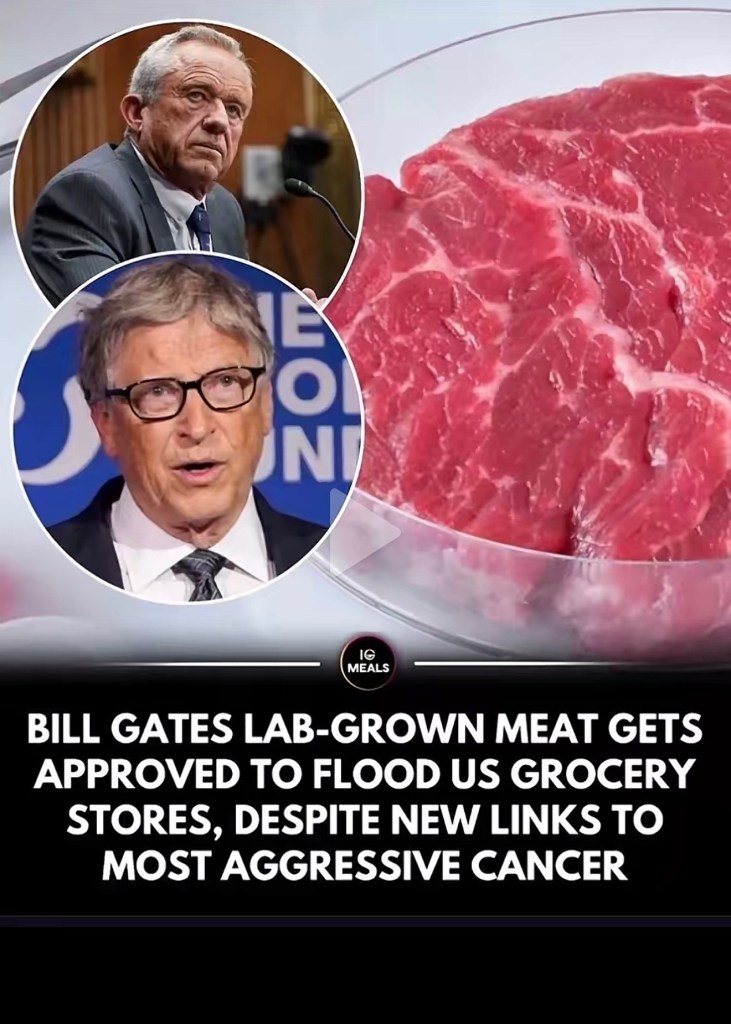
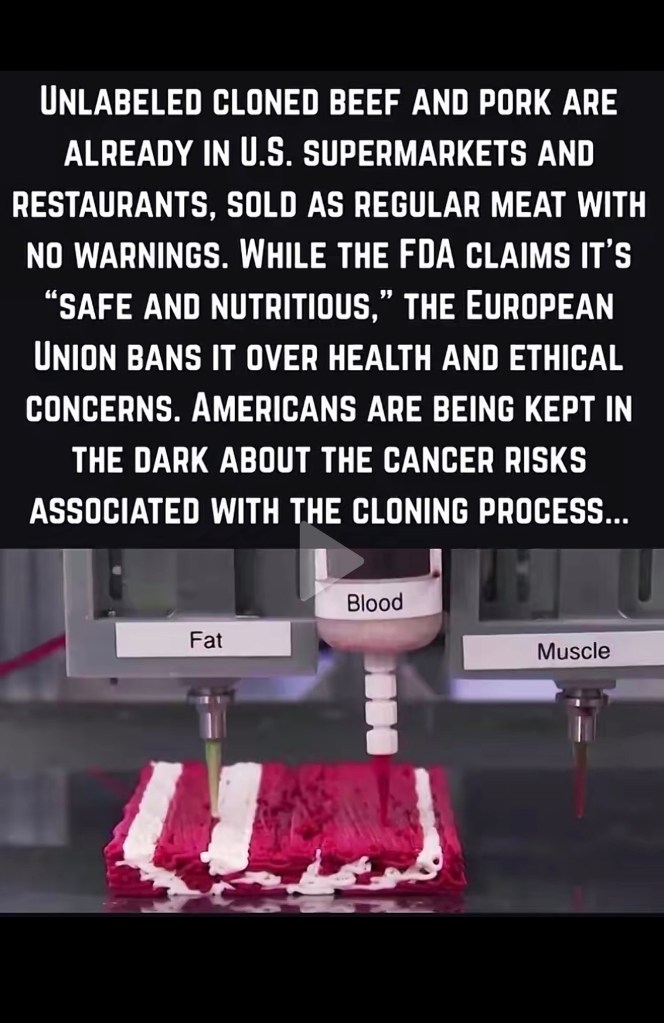
8:00 a.m. – I clock out to take my break, and sit in my car scrolling through various social media platforms. I come across several videos/posts on TikTok that are extremely bizarre. One post was claiming that Bill Gates had released “lab-grown meat” into the general population’s grocery stores despite it causing severe health defects. There were no sources listed, and although sometimes the strangest headlines can be accurate, this one seemed really disturbing. I decided to dive deeper into this, and I learned a lot. I had to read more than one article to determine what information, if any, was factual in the original post. In order to uncover misinformation, you must research the topic from multiple angles and gather information from multiple sources. Each article I came across and read had similar elements, but some of the reporting differed significantly. What I ultimately discovered is that Bill Gates and several others have invested in companies that create lab-grown meat with the use of animal stem cells. I also learned that a big motivator for Bill Gates’ drive behind this lab-grown meat relates to climate change. There were countless articles on the concerns of allowing this synthetic product reach shelves, but I did not find any concrete evidence tying this meat to severe health problems. So the post I originally saw was twisted in a way that made parts of it inaccurate while other parts remained true.
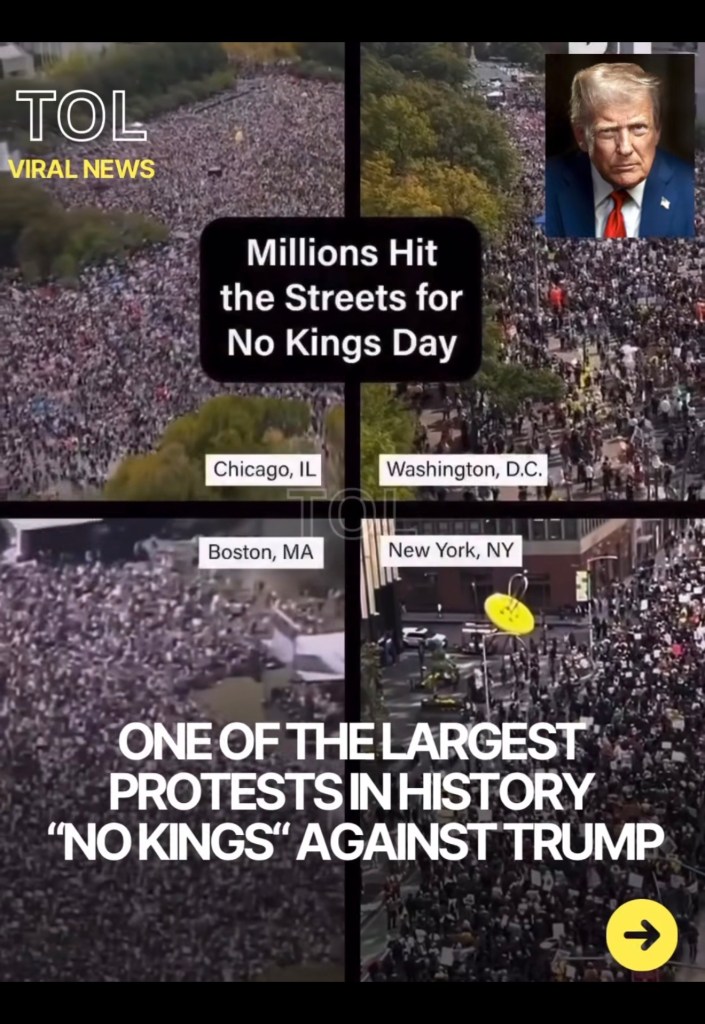
8:15 a.m. – Before I ended my break I saw a post on Instagram that highlighted the “NO KING’S” Protest”, claiming it was one of the largest protests in American history. It is refreshing to see people all around the country join together with a common purpose of seeking to restore a true democracy to the United States.
1:30 p.m. – I am off of work, and finally home. I take care of my 80 year-old aunt, so I make sure to check in on her since I have been away for several hours at this point. I fix lunch for her and she tells me about different news stories she has witnessed on television, both locally-based and worldwide that premiere on MS NOW.
3:00 p.m. – I have had a chance to lay down for about an hour now, so I get up to start working on my assignment deadlines for the upcoming week.
5:45 p.m. – While working on assignments, I take a brief break and prepare dinner for my aunt. I make sure she has taken all of her evening medicine see that an older family member has sent me a video relating to a recent controversial skit that has caused an uproar in the media. As I read through the comments, watch other videos on the topic, and converse with my family member about the situation, I am inclined to research whether or not something like this is a suable offense. Does a specific person’s name have to be mentioned in order for it to be defamation? Is comedy an area that has immunity? What I gathered from different articles I read is that comedy is often protected from defamation claims, but there are instances where it can be challenged and result in serious charges. It is best to tread lightly in these areas as the line between humor and causing harm to a person’s reputation can be quite thin.

7:00 p.m. – I continue to work on assignments, but I decide to eat dinner in the midst of studying. I order Panda Express and while I wait for my food, I turn on one of my all time favorite comfort shows, The Middle.
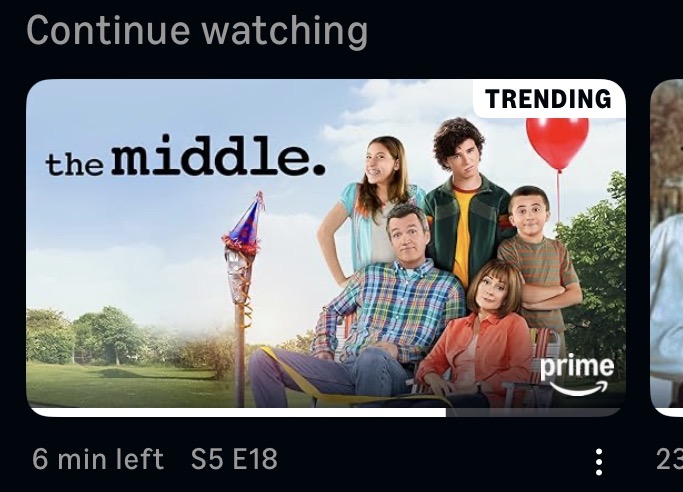
9:00 p.m. – I continue to study and work until I fall asleep.
I noticed that I do come across a large amount of media that is questionable. Sources such as The Washington Post or The New York Times are more reputable than random content creators who are posting content. I feel less inclined to fact-check every piece of information I gather from those sources because they value honest and accurate reporting and no biases. Of course errors do occur, but overall sources who prioritize ethical principles and providing factual information to the public are more dependable. It was clear that certain headlines caught people’s attention, and that was the only reason that information was shared with others. There wasn’t a second thought about whether or not the information was factual, but because the topic sounded so outrageous, people shared it immediately. These are habits that we as society need to reverse. It is imperative to take the time to make sure you are not actively contributing to the spread of misinformation, regardless of how crazy a title or description may seem to be. I am learning that the content I interact with or am exposed to on social media platforms specifically, usually contains more misinformation than reputable news sites. This is most likely because of individual people being able to put out information regardless of it being true or not. This is an indicator that I need to continue fact-checking the information I come in contact with.
 3rianna’s Way
Leave a comment